
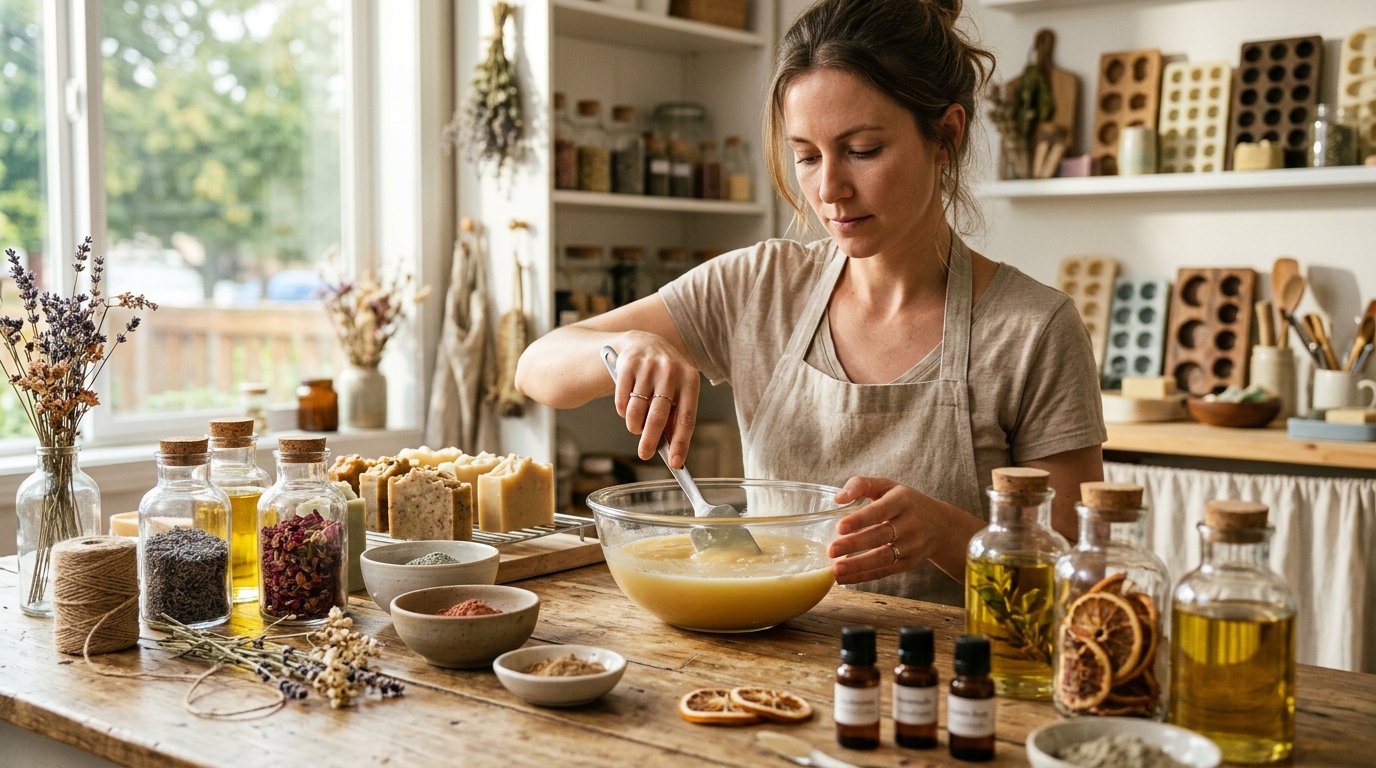
The global cold process soap market is experiencing significant expansion, with industry analysts projecting steady growth through 2026 as consumers increasingly prioritize natural, artisanal personal care products over mass-produced alternatives. According to recent market reports, this shift is driven by a demand for transparency in ingredients and sustainable manufacturing practices. For aspiring entrepreneurs, this trend presents a viable entry point into the beauty and wellness sector. However, transforming a hobby into a profitable enterprise requires more than just mixing oils and fragrances. It demands a strategic approach to formulation, safety, branding, and distribution. This guide outlines the critical phases of launching your soap-making venture, ensuring you build a foundation that is both compliant and commercially viable.
Understand Soap Types and Formulations
Before producing your first batch, you must understand the fundamental differences between soap-making methods. Each method offers distinct advantages regarding time, skill level, and final product characteristics. Choosing the right method aligns with your business goals and target audience.
Cold Process Soap
Cold process soap is made by combining fats or oils with lye (sodium hydroxide). Cold process soap is a chemical reaction where oils and lye combine to form soap and glycerin. This method requires a curing period of four to six weeks, which allows water to evaporate and the bar to harden. The result is a long-lasting, moisturizing bar that appeals to consumers seeking high-quality, artisanal products. It allows for maximum creativity in scents and colors but requires strict adherence to safety protocols.
Melt and Pour Soap
Melt and pour involves purchasing a pre-made soap base, melting it, adding custom fragrances or botanicals, and pouring it into molds. Melt and pour soap is a convenient method for beginners to create customized bars without handling lye. This method eliminates the curing time and reduces safety risks, making it ideal for rapid product iteration and small-batch testing. However, it offers less control over the final texture and longevity of the soap compared to cold process.
Hot Process Soap
Hot process soap is similar to cold process but is cooked in a slow cooker or on a stove to accelerate the saponification process. Hot process soap is a method that speeds up saponification, allowing the soap to be used immediately after molding. The final product has a rustic, textured appearance that many customers find appealing. It is a middle ground between cold process and melt and pour, offering more control than the latter but with less curing time than the former.
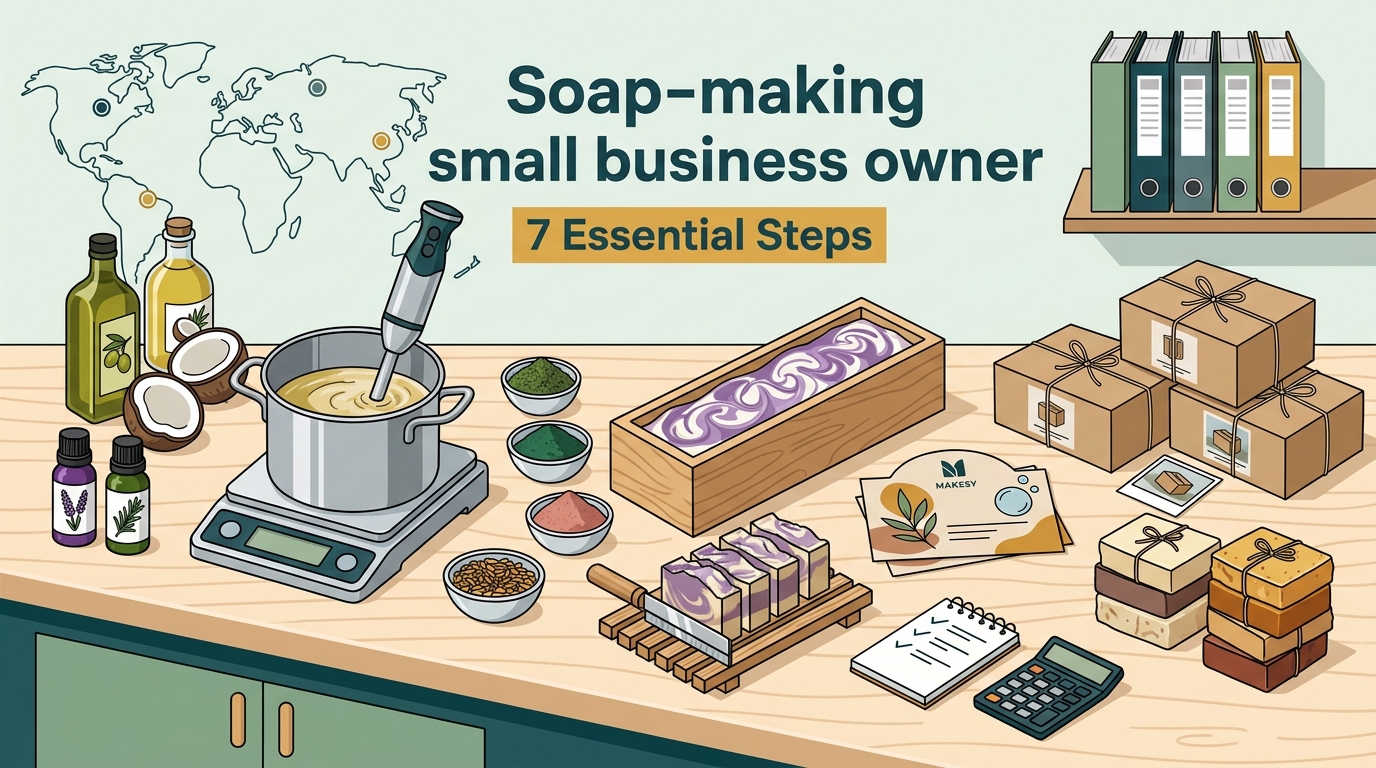
Master Safety and Regulatory Compliance
Soap making involves hazardous materials, particularly lye. Safety is not just a personal concern but a professional requirement for any business. You must establish rigorous safety protocols to protect yourself, your employees, and your customers.
Safety Protocols
Always wear personal protective equipment (PPE) when handling lye, including goggles, gloves, and long sleeves. Work in a well-ventilated area to avoid inhaling fumes. Keep vinegar nearby to neutralize minor lye spills on skin, but never use water alone to dilute concentrated lye. Store lye in clearly labeled, child-proof containers away from food items. Reviewing industry safety guidelines can provide additional context on handling hazardous craft materials.
Regulatory Requirements
Regulations vary by region, but generally, you must register your business with local authorities and obtain necessary permits. In the United States, the Food and Drug Administration (FDA) regulates cosmetics, including soap. According to FDA guidelines, you must list all ingredients on your product label in descending order of predominance. Ensure your facility meets health and safety standards for food-grade or cosmetic-grade production. Consult local zoning laws to determine if you can operate a commercial kitchen or if you need a dedicated studio space.
Source Quality Ingredients and Supplies
The quality of your raw materials directly impacts the quality of your final product and your brand reputation. Building relationships with reliable suppliers is crucial for consistency and cost management.
Essential Supplies
You will need a variety of oils, such as olive, coconut, and palm oil (ensure sustainable sourcing), along with lye, distilled water, and fragrances. Invest in professional-grade equipment, including stainless steel pots, digital scales, immersion blenders, and silicone molds. Makesy offers a comprehensive range of supplies for soap makers, including high-quality fragrances and waxes that can enhance your product line.
Supplier Vetting
Choose suppliers who provide Certificates of Analysis (COAs) for their oils and fragrances. This ensures consistency in scent throw and moisturizing properties. Compare prices, but do not compromise on quality for the sake of cost. Consider bulk purchasing to reduce per-unit costs as your business scales. Explore specialized collections to find niche ingredients that differentiate your soaps from competitors.
Develop Your Brand Identity
Your brand is more than a logo; it is the story you tell and the experience you provide. A strong brand identity helps you stand out in a crowded market.
Define Your Niche
Identify your target audience and unique selling proposition. Are you focusing on eco-friendly, zero-waste soaps? Luxury spa-like experiences? Fun, colorful bars for children? Market data shows that consumers are increasingly drawn to brands with clear values and sustainability commitments. Define your niche to tailor your marketing and product development.
Visual Identity
Design a logo, color palette, and packaging that reflect your brand values. Use high-quality packaging that protects the soap and enhances its perceived value. Consider eco-friendly packaging options, such as recycled paper or biodegradable wraps, to appeal to environmentally conscious consumers. Ensure your branding is consistent across all touchpoints, from your website to your social media profiles.
Set Up Your Production Workflow
Efficiency is key to scaling your business. A well-organized production workflow ensures consistency and reduces waste.
Workspace Organization
Designate a specific area for soap making that is clean, organized, and dedicated to production. Use labeled containers for ingredients and tools. Implement a first-in, first-out (FIFO) system for raw materials to prevent spoilage. Consulting maker tips can help optimize your workspace for efficiency and safety.
Production Scheduling
Create a production schedule that accounts for curing times, especially for cold process soap. Batch production can help streamline the process, but ensure you have adequate storage space for curing bars. Document every recipe and process step to maintain consistency and troubleshoot issues.
Pricing and Financial Planning
Accurate pricing is essential for profitability. Many new soap makers underprice their products, leading to financial strain.
Cost Calculation
Calculate the cost of goods sold (COGS) for each bar, including ingredients, packaging, labor, and overhead. Add a markup to ensure profit. A common rule of thumb is to multiply COGS by two or three, depending on your market positioning. According to SBA recommendations, thorough cost analysis is critical for small business sustainability.
Financial Management
Open a separate business bank account and track all expenses. Use accounting software to monitor cash flow and profitability. Plan for taxes and set aside a portion of profits for reinvestment. Streamline your purchasing by using secure checkout processes for bulk ingredient orders.
Launch and Market Your Business
Launching your business requires a strategic marketing plan to reach your target audience and drive sales.
Online Presence
Build a professional website with an e-commerce platform. Optimize your site for search engines using relevant keywords. Use high-quality images and detailed product descriptions. Explore industry blogs for additional marketing strategies and trends.
Social Media and Community
Engage with your audience on social media platforms like Instagram and Pinterest. Share behind-the-scenes content, customer testimonials, and educational posts. Participate in local markets and craft fairs to build a local customer base. Search for trending products to stay ahead of market demands.
Key Takeaways
- Understand Methods: Choose between cold process, melt and pour, or hot process based on your skills and market goals.
- Prioritize Safety: Always use PPE and follow strict safety protocols when handling lye.
- Compliance is Key: Register your business and adhere to FDA labeling and safety regulations.
- Quality Ingredients: Source high-quality, consistent ingredients from reputable suppliers.
- Brand Identity: Develop a unique brand story and visual identity to stand out.
- Accurate Pricing: Calculate COGS accurately and apply a healthy markup for profitability.
- Strategic Marketing: Leverage online platforms and local markets to build your customer base.
Frequently Asked Questions
Do I need a license to sell soap?
Yes, you typically need to register your business with local and state authorities. Additionally, you may need specific permits for manufacturing and selling cosmetics. Check with your local health department and business licensing office for exact requirements.
How long does cold process soap take to cure?
Cold process soap generally requires four to six weeks to cure. This time allows the water to evaporate, resulting in a harder, longer-lasting bar that is gentler on the skin.
Can I sell soap made in my home kitchen?
This depends on local laws. Some areas allow home-based food or cosmetic production, while others require a commercial kitchen or dedicated studio. Always verify zoning and health regulations before starting.
What is the best way to price my soap?
Calculate your cost of goods sold, including ingredients, packaging, and labor. Add a markup that reflects your brand value and market positioning. Research competitor pricing to ensure your prices are competitive yet profitable.
How do I find reliable suppliers for soap-making ingredients?
Look for suppliers who provide Certificates of Analysis (COAs) and have positive reviews from other makers. Attend trade shows or join online communities to get recommendations. Makesy provides vetted suppliers for high-quality soap-making materials.
What are the most popular soap scents?
Popular scents include lavender, eucalyptus, citrus, and unscented options for sensitive skin. Trending scents often reflect seasonal preferences and wellness trends, such as calming or energizing blends.
How can I make my soap eco-friendly?
Use sustainable, biodegradable ingredients and eco-friendly packaging. Avoid synthetic dyes and fragrances, and opt for natural botanicals. Highlight your eco-friendly practices in your marketing to attract conscious consumers.
Start Your Soap-Making Journey Today
Launching a small soap-making business is a rewarding endeavor that combines creativity with entrepreneurship. By following these essential steps, you can build a successful brand that resonates with customers. Take the first step by exploring high-quality supplies and resources. Visit Makesy to discover premium soap-making supplies and start crafting your unique products today.