
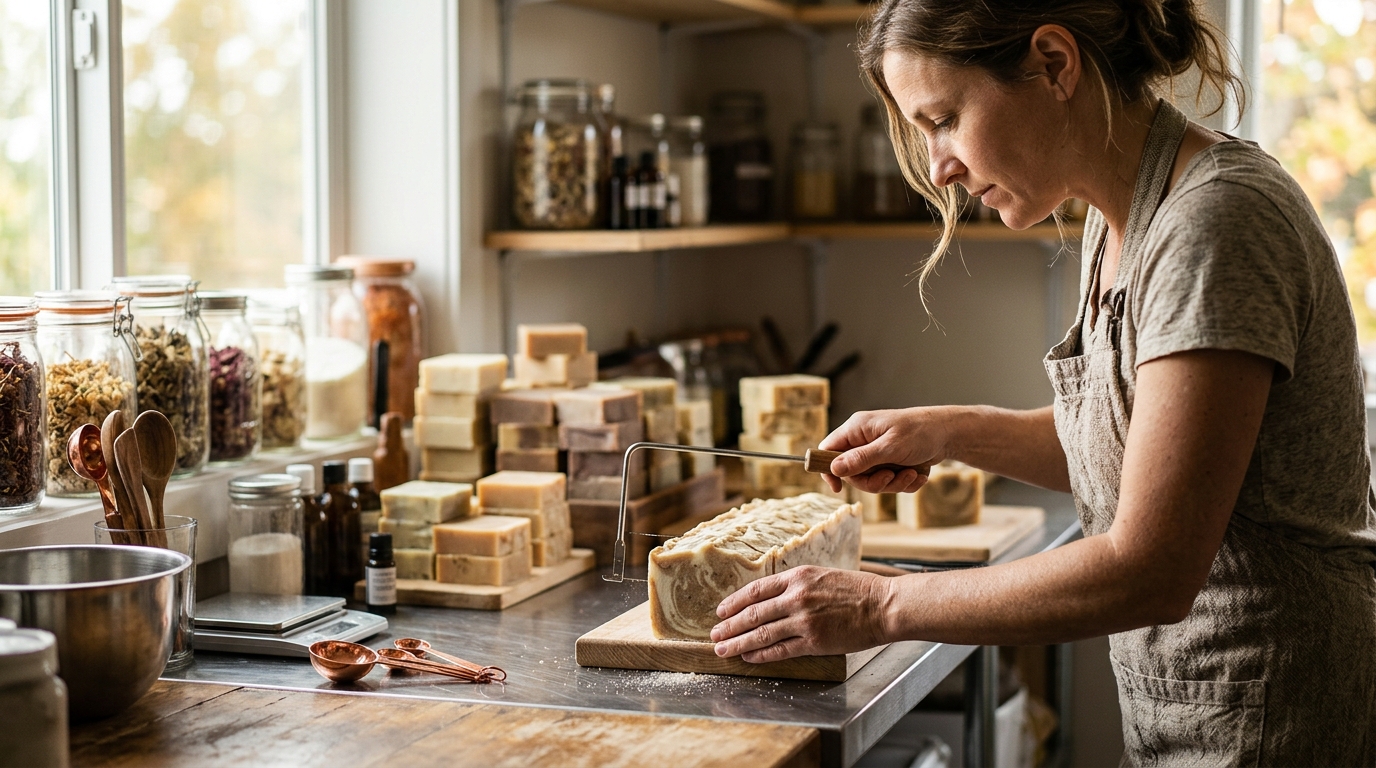
The global cold process soap market is projected to grow at a compound annual growth rate of over 4% through 2030, driven by consumer demand for natural and artisanal products. This expansion creates a viable opportunity for entrepreneurs to enter the market with high-quality, small-batch goods. Success in this sector requires more than just mixing ingredients; it demands a strategic approach to formulation, safety, and brand positioning. By following a structured launch plan, you can transform a creative hobby into a sustainable revenue stream. (Collections 124 makesy)
Understand Soap Types and Formulations
Before purchasing materials, you must understand the fundamental differences between soap-making methods. Cold process soap is a chemical reaction between fats and lye that cures over four to six weeks. This method allows for complete control over ingredients and results in a long-lasting, moisturizing bar. In contrast, melt-and-pour soap involves melting a pre-made soap base, which is ideal for beginners but offers less control over the final product's longevity and texture. (Cart)
Hot process soap is another viable option. Hot process soap is cooked in a slow cooker to accelerate saponification, allowing for immediate use. While the texture is often rustic and uneven, it is perfect for incorporating heavy add-ins like exfoliants or botanicals. Understanding these distinctions helps you choose the right production method for your brand identity and customer expectations.
Source Quality Supplies and Ingredients
The quality of your final product depends entirely on the quality of your raw materials. You need a reliable supplier for oils, butters, and fragrances. Base oils are the foundation of soap, providing hardness, lather, and conditioning properties. Common choices include coconut oil for cleansing, olive oil for moisturizing, and palm oil for hardness. Butters like shea and cocoa add richness and creamy lather.
For scent, you can use essential oils or fragrance oils. Essential oils are derived from plants and offer therapeutic benefits, while fragrance oils provide a wider variety of scents and better scent throw in cold process soap. When sourcing, look for vendors who provide detailed specifications and safety data sheets. Browse Makesy's extensive collection of candle supplies and fragrance oils to find high-quality ingredients that meet your formulation needs. Reliable suppliers often offer bulk pricing, which is crucial for maintaining healthy profit margins.
Master Safety Protocols and Equipment
Safety is the most critical aspect of soap making, particularly when working with lye. Lye, or sodium hydroxide, is a caustic substance that can cause severe burns if it comes into contact with skin or eyes. Lye is a caustic alkali that must be handled with extreme care and proper protective gear. Always wear safety goggles, gloves, and long sleeves when mixing lye solutions. Work in a well-ventilated area to avoid inhaling fumes.
Your equipment list should include a digital scale for precise measurements, stainless steel or heat-safe plastic pots, silicone spatulas, and immersion blenders. Never use aluminum cookware, as it reacts with lye. Invest in a good quality immersion blender to help reach trace faster, which is the point where oils and lye emulsify. Check shipping and lead times for your equipment to ensure you have everything ready before you begin your first batch. Proper safety protocols protect you and ensure consistent product quality.
Develop Your Initial Product Line
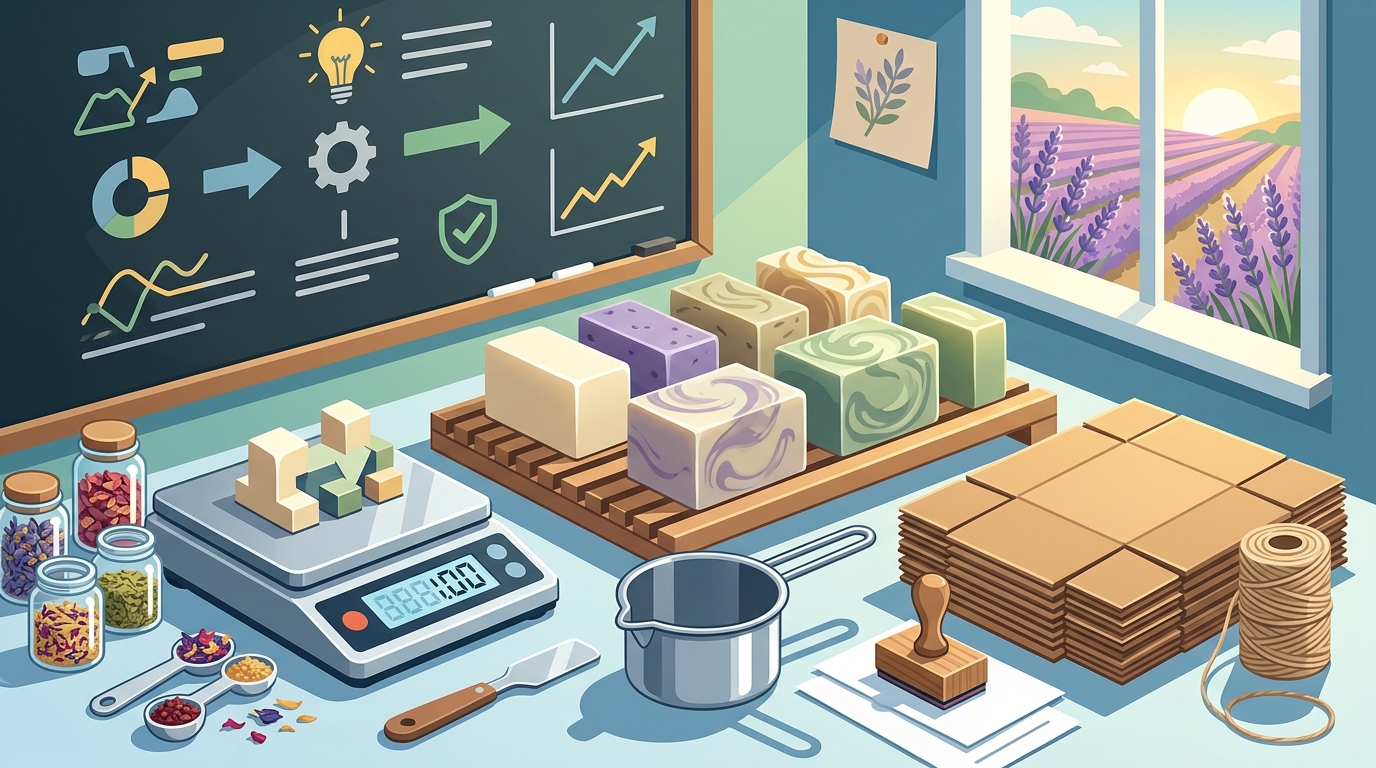
Start with a small, focused product line to manage complexity and inventory costs. Aim for three to five unique scents or formulations. This allows you to refine your recipes and gather customer feedback without overextending your resources. Consider creating a signature scent that defines your brand identity. For example, a lavender and oatmeal soap appeals to those seeking relaxation and gentle exfoliation.
Experiment with different add-ins to enhance the user experience. Ingredients like poppy seeds, coffee grounds, or dried flowers add visual appeal and texture. However, be cautious with add-ins that may spoil or cause irritation. Explore functional fragrances and skin care additives to create unique selling points for your products. Keep detailed records of your recipes, including the weight of each ingredient and the curing time. This data is essential for replicating successful batches and troubleshooting issues.
Navigate Legal Compliance and Insurance
Regulations for soap making vary by region, but certain standards are universal. In the United States, the Food and Drug Administration (FDA) regulates soap as a cosmetic if it is marketed for its scent or cosmetic properties. Proper labeling is required to inform consumers about ingredients and potential allergens. Your labels must include a complete ingredient list, net weight, and your business name and address.
Consider obtaining product liability insurance to protect your business from potential claims. This insurance covers damages if a customer experiences an adverse reaction to your product. Additionally, check local zoning laws and home occupation permits if you are producing soap from home. Some areas have restrictions on commercial activities in residential zones. Review the benefits of joining a maker community to stay updated on regulatory changes and best practices. Compliance ensures your business operates legally and builds trust with customers.
Establish Branding and Packaging
Your brand is more than just a logo; it is the story you tell and the experience you provide. Choose a brand name that is memorable and reflects your product's essence. Design a logo and color palette that resonate with your target audience. Packaging should protect the soap during shipping and enhance its visual appeal. Use eco-friendly materials to align with the values of your customer base.
Include a thank you note or care instructions with each order to personalize the experience. This small touch can encourage repeat purchases and positive reviews. Utilize eco-friendly glitters and dyes to create visually stunning products that stand out on social media. Consistent branding across your website, social media, and packaging helps build recognition and loyalty. Invest in high-quality photography to showcase your products professionally.
Launch Sales Channels and Marketing
Choose the right sales channels to reach your customers. Options include online marketplaces like Etsy, your own e-commerce website, and local farmers' markets. Each channel has its own advantages and challenges. Online marketplaces offer built-in traffic but charge fees, while your own website gives you full control but requires marketing effort.
Marketing is essential for driving sales. Use social media platforms like Instagram and Pinterest to share behind-the-scenes content, tutorials, and product photos. Engage with your audience by responding to comments and messages. Consider offering discounts for first-time buyers or bundle deals to encourage larger orders. Access the makers supplies needed to scale your production as your business grows. Track your marketing metrics to determine which strategies are most effective and adjust your approach accordingly.
Key Takeaways
- Understand the differences between cold process, hot process, and melt-and-pour soap methods.
- Source high-quality base oils, butters, and fragrances from reliable suppliers.
- Prioritize safety by wearing protective gear and working in a ventilated area.
- Start with a small, focused product line to manage complexity and costs.
- Comply with FDA labeling requirements and obtain product liability insurance.
- Develop a strong brand identity with consistent packaging and messaging.
- Utilize multiple sales channels and engage with customers on social media.
Frequently Asked Questions
How long does it take to cure cold process soap?
Cold process soap typically requires four to six weeks to cure. This period allows the water to evaporate and the soap to harden, resulting in a longer-lasting bar.
Can I make soap without lye?
No, lye is essential for saponification in cold and hot process soap making. However, you can use melt-and-pour soap bases, which already contain lye, to create soap without handling it directly.
What are the most common mistakes for beginners?
Common mistakes include inaccurate measurements, not reaching trace, and improper curing. Always use a digital scale and follow tested recipes closely.
How do I price my soap?
Calculate the cost of ingredients, packaging, labor, and overhead. Add a profit margin to determine the final price. Research competitors to ensure your pricing is competitive.
Do I need a permit to sell soap?
Requirements vary by location. Check with your local health department and business licensing office to determine what permits are necessary for your area.
How can I prevent soda ash on my soap?
Soda ash is a white powdery residue that can form on the surface of cold process soap. It can be minimized by insulating the soap after pouring and spraying it with rubbing alcohol.
What is the best way to store soap?
Store soap in a cool, dry place away from direct sunlight. Proper storage helps maintain the scent and prevents the soap from melting or becoming soft.
Ready to Launch Your Soap Business?
Starting a small soap-making business requires dedication, creativity, and attention to detail. By following these essential steps, you can build a strong foundation for success. From sourcing quality ingredients to mastering safety protocols and establishing your brand, each step plays a crucial role in your journey. Take the first step today and turn your passion into a profitable venture. Start shopping for your soap-making supplies now and begin crafting your unique products.