
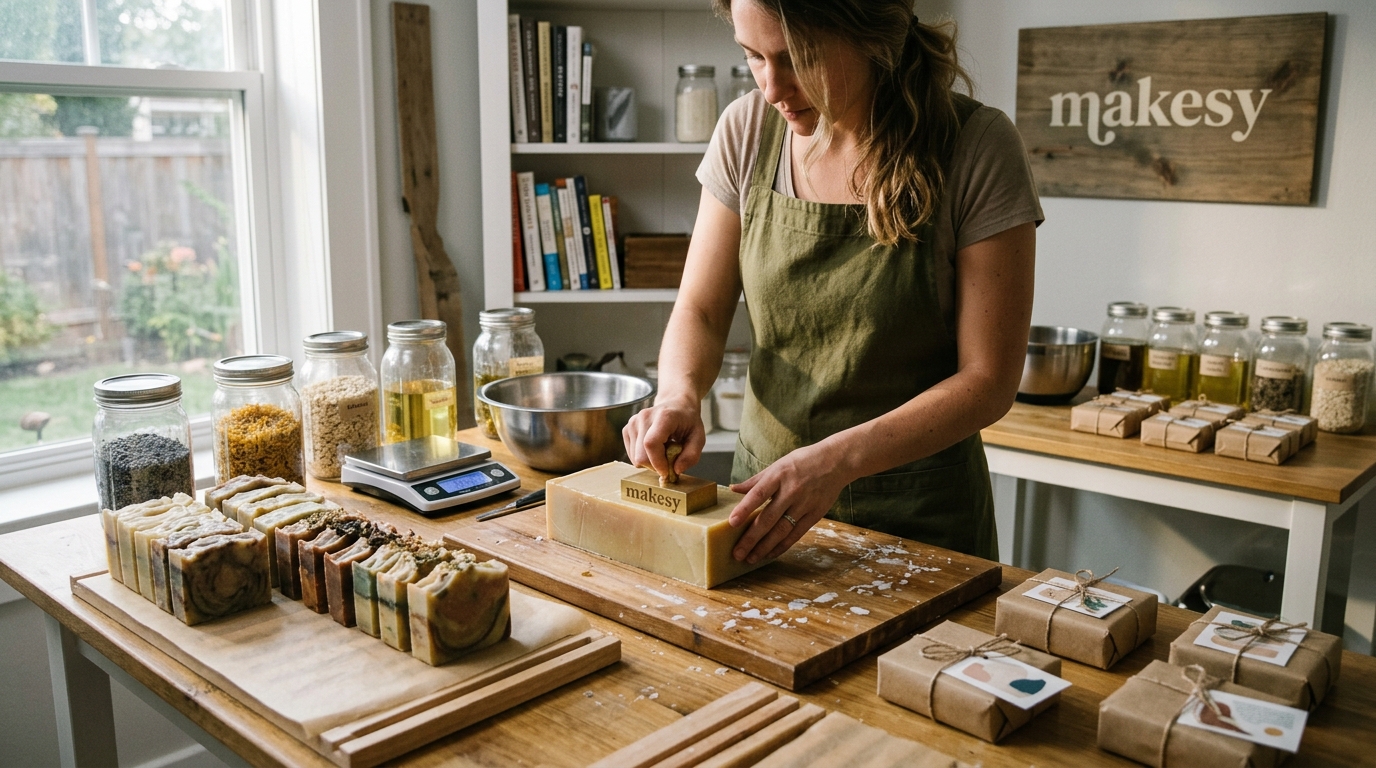
The global cold process soap market is experiencing significant expansion, with industry analysts projecting consistent growth through 2026 as consumers increasingly prioritize natural ingredients and artisanal craftsmanship. Market data shows that the demand for handmade, small-batch soaps has surged, driven by a desire for transparency in ingredient sourcing and ethical manufacturing practices. For aspiring entrepreneurs, this trend presents a viable opportunity to enter the beauty and wellness sector with a manageable initial investment. However, success requires more than just mixing oils; it demands a strategic approach to formulation, safety, branding, and distribution.
Understand the Core Soap Types
Before investing in equipment, you must decide on the primary method of production. The two dominant categories are cold process and melt-and-pour. Cold process soap is a chemical reaction where lye (sodium hydroxide) reacts with fats to create soap and glycerin. This method allows for complete control over ingredients and results in a longer-lasting, harder bar with a creamy lather. However, it requires a curing period of four to six weeks and strict adherence to safety protocols.
Conversely, melt-and-pour soap is a pre-made base that you melt, add colorants or fragrances, and pour into molds. This method is ideal for beginners due to its lower barrier to entry and reduced safety risks associated with handling lye. While it offers less control over the final ingredient list, it allows for rapid prototyping and quicker time-to-market. Many successful small businesses start with melt-and-pour to build a customer base before transitioning to or adding cold process lines.
Master the Art of Formulation
Formulation is the scientific backbone of your business. A balanced soap formula considers the hardness, cleansing power, conditioning properties, and lather quality of each oil used. Common base oils include coconut oil for cleansing, olive oil for conditioning, and palm oil (or sustainable alternatives like sunflower oil) for hardness.
Utilizing a soap calculator is non-negotiable for accuracy. These tools determine the precise amount of lye and water needed for your specific oil blend, ensuring a superfat percentage that leaves the soap moisturizing without being greasy. Experimentation is key. Start with established recipes and gradually tweak the oil ratios to create unique selling propositions, such as high-olive oil "castile" bars or coconut-heavy "scrubbing" bars.
Source High-Quality Supplies
The quality of your raw materials directly impacts the reputation of your brand. Sourcing from reputable suppliers ensures consistency in fragrance throw, color stability, and oil purity. Makesy offers a comprehensive range of professional-grade supplies, including fragrance oils, essential oils, and specialized waxes and additives that can enhance your product line.
When selecting fragrances, distinguish between fragrance oils and essential oils. Fragrance oils offer a vast array of scent profiles, from complex blends to single-note aromas, and are often more cost-effective. Essential oils provide natural marketing appeal but can be expensive and may behave unpredictably in soap, sometimes causing acceleration or discoloration. Additionally, consider the logistical aspects of supply chain management. Look for suppliers that offer bulk pricing tiers and reliable shipping options to keep your operational costs low.
Navigate Safety and Compliance
Soap making involves hazardous materials, particularly lye. Proper safety gear, including goggles, gloves, and long sleeves, is mandatory. Furthermore, you must understand the regulatory landscape. In the United States, the Food and Drug Administration (FDA) regulates cosmetics, including soap. If your product is marketed solely as soap with no cosmetic claims, it may be exempt from certain FDA regulations, but labeling requirements still apply.
Your labels must include a full ingredient list in descending order of predominance, net weight, and your business name and address. Mislabeling can lead to legal issues and loss of consumer trust. Additionally, consider product liability insurance. Accidents happen, and having coverage protects your personal assets if a customer claims injury or adverse reaction from your product. Always conduct patch tests and maintain detailed batch records for quality control and traceability.
Develop Your Brand Identity
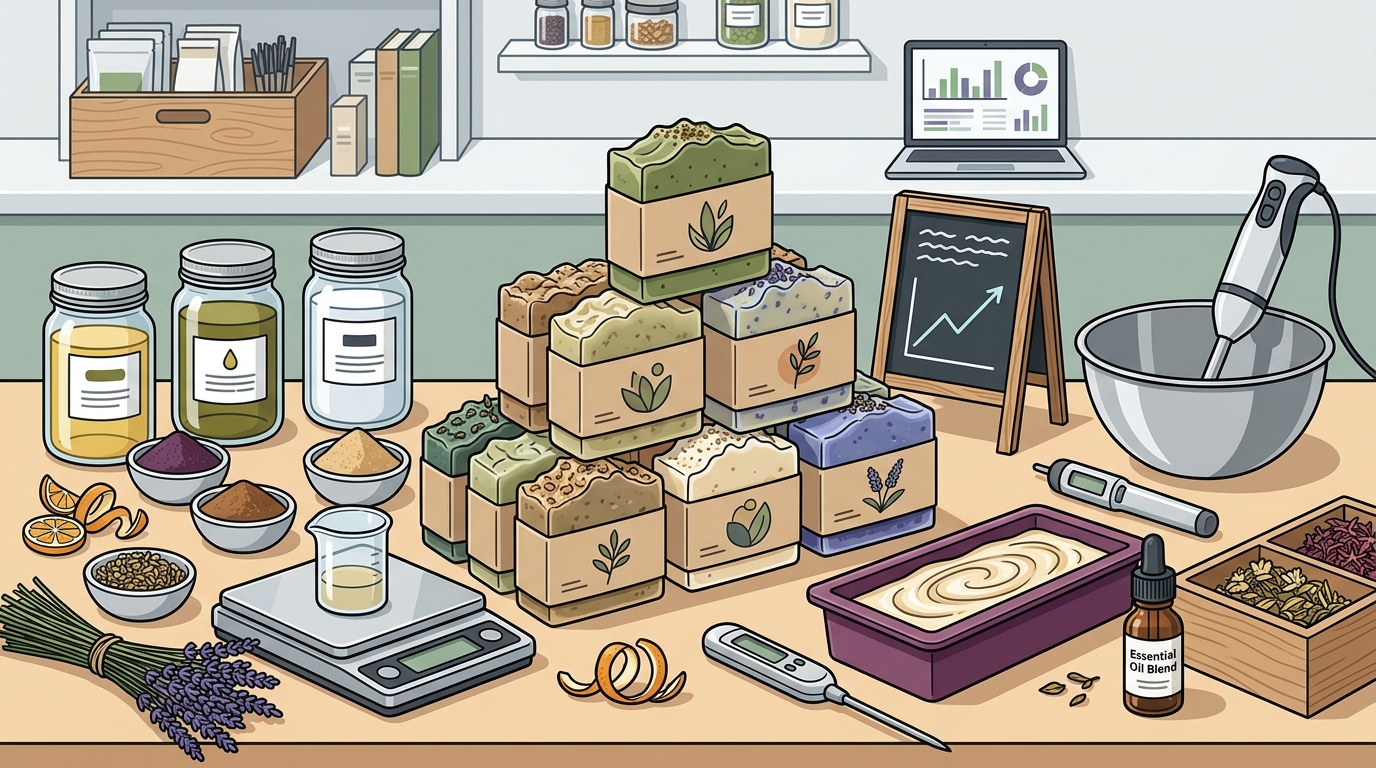
In a crowded market, your brand story is your differentiator. Define your target audience and the values your brand represents. Are you focused on zero-waste packaging? Luxury spa experiences? Eco-friendly ingredients? Your visual identity, including logo, color palette, and packaging design, should reflect these values consistently.
Packaging is also a functional necessity. Soap needs to breathe to prevent sweating and softening. Use breathable materials like kraft paper or recycled cardboard boxes. Include care instructions to help customers extend the life of their bar. Professional photography is crucial for online sales. Invest in high-quality images that showcase the texture, scent, and use of your products. Consistency in your brand voice across all platforms, from your website to social media, builds recognition and loyalty.
Establish Sales Channels
Choose the right mix of sales channels to maximize reach and revenue. E-commerce platforms like Shopify or WooCommerce give you full control over your customer data and branding. Marketplaces like Etsy provide immediate access to a large audience interested in handmade goods, though they charge fees and compete with thousands of other sellers.
Local wholesale is another powerful channel. Partnering with local boutiques, spas, and farmers markets can generate steady revenue and brand exposure. When approaching wholesale buyers, provide a professional line sheet with wholesale pricing, minimum order quantities, and delivery terms. Ensure your pricing structure accounts for both retail and wholesale margins to maintain profitability. Explore wholesale supplies to ensure you can meet the volume demands of retail partners without compromising quality.
Plan for Scaling and Growth
As demand grows, you will need to optimize your production process. This may involve investing in larger equipment, such as industrial mixers and cutting tools, and streamlining your workflow to reduce curing time and labor costs. Consider the environmental impact of scaling. Implement sustainable practices, such as using renewable energy in your production space or sourcing locally grown botanicals.
Financial planning is critical for long-term success. Reinvest profits into marketing and product development. Monitor your key performance indicators, such as customer acquisition cost, lifetime value, and inventory turnover. Stay informed about industry trends and consumer preferences to keep your product line relevant. Check shipping policies and logistics partners early to ensure you can handle increased order volumes efficiently as your business expands.
Key Takeaways
- Choose Your Method: Decide between cold process for full control and melt-and-pour for ease of entry.
- Master Formulation: Use soap calculators to ensure safety and quality in every batch.
- Source Wisely: Partner with reliable suppliers like Makesy for high-quality fragrances and supplies.
- Prioritize Safety: Always handle lye with proper protective gear and follow strict safety protocols.
- Comply with Regulations: Understand FDA labeling requirements and obtain product liability insurance.
- Build a Brand: Create a distinct identity and professional packaging to stand out in the market.
- Diversify Sales: Combine e-commerce, marketplaces, and wholesale channels for stable revenue.
Frequently Asked Questions
How much does it cost to start a small soap-making business?
Initial costs can range from $500 to $2,000 for basic equipment and supplies. This includes molds, mixers, safety gear, and raw materials. Costs increase significantly if you invest in industrial equipment or large inventory upfront.
Do I need a license to sell soap?
Requirements vary by location. In the US, you typically need a business license and may need to register with your state's department of health or agriculture. Always check local regulations regarding home-based businesses and cosmetic manufacturing.
How long does cold process soap take to cure?
Cold process soap generally requires a curing period of four to six weeks. This allows water to evaporate, resulting in a harder, longer-lasting bar with a milder lather. Rushing this process can lead to soft, mushy soap.
What is the difference between fragrance oils and essential oils?
Fragrance oils are synthetic or semi-synthetic scents that offer a wide variety of aromas and are often more stable in soap. Essential oils are natural extracts from plants, offering therapeutic benefits but often at a higher cost and with less scent longevity in the final product.
How do I price my soap?
Calculate the cost of goods sold (COGS), including materials, labor, and overhead. Add a markup for profit, typically 50-100% for retail. Research competitor pricing to ensure your prices are competitive while reflecting the quality of your product.
Can I make soap in a home kitchen?
Yes, many small businesses start in home kitchens. However, ensure you have a dedicated space for soap making to avoid cross-contamination with food preparation areas. Proper ventilation is also essential when working with lye.
What are the best sales channels for handmade soap?
Popular channels include Etsy for handmade goods, local farmers markets for community engagement, and wholesale partnerships with boutiques. An independent e-commerce website offers the most control over branding and customer data.
Ready to Launch Your Soap Business?
Starting a small soap-making business is a rewarding journey that combines creativity with entrepreneurship. By following these essential steps, you can build a sustainable brand that resonates with customers. Begin by sourcing your supplies and mastering your craft. Visit Makesy.com to explore our extensive collection of professional-grade fragrances, waxes, and supplies designed to help you create exceptional products. Your journey to artisanal success starts here.