
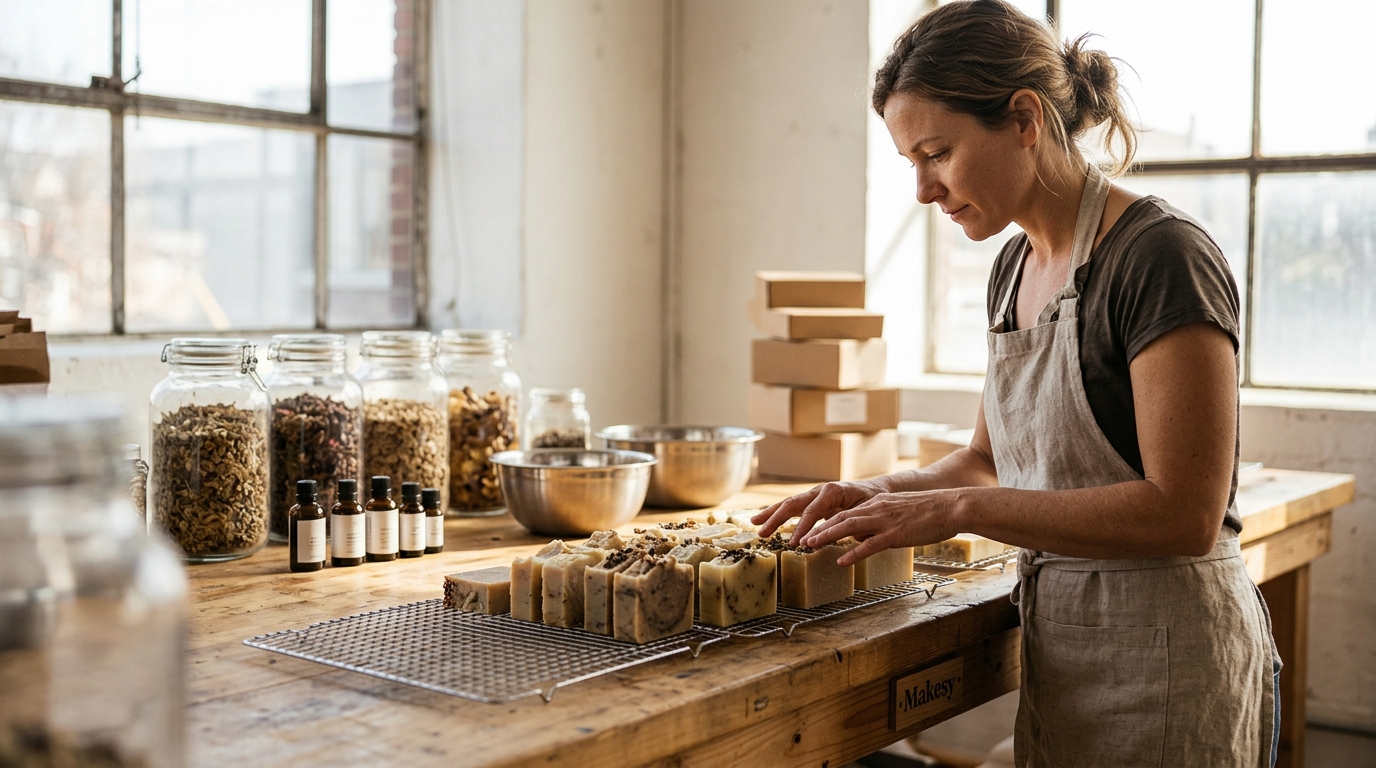
The global handmade soap market is experiencing significant expansion, with industry reports indicating that the broader personal care sector is projected to grow at a compound annual growth rate of over 4% through 2028. This surge is driven by consumer demand for natural, artisanal, and ethically sourced products. For aspiring entrepreneurs, this trend presents a viable entry point into the manufacturing industry. However, success requires more than just mixing oils and scents. It demands a strategic approach to formulation, safety, branding, and distribution. This guide outlines the critical phases of launching a profitable soap-making enterprise, leveraging industry best practices and operational frameworks. (Collections 124 makesy)
Understand Soap Types and Formulations
Before purchasing equipment, you must define the technical nature of your product. Soap making is not a monolithic craft; it involves distinct chemical processes and material requirements. Cold process soap is a method where oils and lye are mixed and allowed to cure for several weeks. This process preserves the glycerin naturally produced during saponification, resulting in a moisturizing bar. Melt and pour soap is a pre-made soap base that is melted, scented, colored, and poured into molds. This method is ideal for beginners but offers less control over the final ingredient list. Hot process soap is a variation of cold process where heat is applied to accelerate the curing time. Understanding these differences is crucial for determining your production capacity and target market.
Each method requires specific knowledge of oil profiles. For instance, coconut oil provides cleansing and lather, while olive oil offers conditioning properties. Balancing these oils ensures the soap is both effective and gentle on the skin. You can explore various cold process soap techniques to refine your formulation skills. Additionally, understanding the concept of superfatting is essential. Superfatting refers to the practice of adding extra oils to the recipe that do not convert to soap, ensuring the final product is moisturizing rather than drying.
Source Quality Ingredients and Supplies
The quality of your final product is directly tied to the quality of your raw materials. Sourcing reliable suppliers is the first major operational hurdle. You need access to high-grade oils, butters, lye (sodium hydroxide), fragrance oils, and colorants. Makesy offers a comprehensive range of DIY and craft supplies that cater to professional makers and hobbyists alike. When selecting suppliers, prioritize those who provide detailed safety data sheets (SDS) for all chemicals. This documentation is vital for workplace safety and regulatory compliance.
Consider the following categories when building your supply chain:
- Fragrance Oils: Choose oils that are skin-safe and stable in soap. Some fragrances can accelerate batter or cause discoloration.
- Colorants: Use mica powders or natural clays that are approved for cosmetic use. Avoid pigments that may stain skin or clothing.
- Additives: Ingredients like colloidal oatmeal, activated charcoal, or essential oils can add therapeutic benefits and visual appeal.
Building relationships with multiple suppliers ensures you are not dependent on a single source. This redundancy protects your business from supply chain disruptions. You can also explore essential oil options to create unique, natural-scented products that appeal to eco-conscious consumers.
Master Safety and Regulatory Compliance
Safety is the most critical aspect of soap making. Lye is a caustic substance that can cause severe burns if mishandled. Proper personal protective equipment (PPE), including gloves and goggles, is non-negotiable. Furthermore, you must adhere to local and national regulations regarding cosmetic manufacturing. In the United States, the Food and Drug Administration (FDA) regulates cosmetics under the Federal Food, Drug, and Cosmetic Act. Labeling compliance is a legal requirement that mandates accurate ingredient listing and business identification. Failure to comply can result in fines or product recalls.
Key regulatory steps include:
- Business Registration: Register your business entity with your state and obtain a tax ID number.
- Product Liability Insurance: Protect your business against potential lawsuits related to product use.
- Good Manufacturing Practices (GMP): Implement hygiene and sanitation protocols in your production area.
Stay informed about changes in cosmetic regulations. The safety guidelines for makers often overlap with cosmetic safety standards, emphasizing the importance of proper handling and storage of chemicals. Regularly review FDA guidelines for cosmetic labeling to ensure your packaging meets current legal standards.
Develop Your Brand Identity
In a crowded market, branding distinguishes your products from competitors. Your brand should communicate your unique value proposition, whether it is luxury, eco-friendliness, or therapeutic benefits. Define your target audience clearly. Are you selling to spa enthusiasts, parents looking for baby-safe products, or corporate gift buyers? Your branding choices should align with their preferences.
Key branding elements include:
- Logo and Visual Identity: Create a memorable logo and consistent color palette that reflects your brand personality.
- Brand Story: Share the narrative behind your business. Consumers connect with authentic stories about craftsmanship and passion.
- Product Naming: Use creative, descriptive names that evoke emotion or highlight key ingredients.
Your online presence is crucial. A professional website serves as your digital storefront. Makesy provides tools and resources to help makers build their brands, including access to high-quality supplies that enhance product appeal. Invest in professional photography to showcase your products in an appealing light. Visuals play a significant role in online sales, especially for tactile products like soap.
Set Up Your Production Workflow
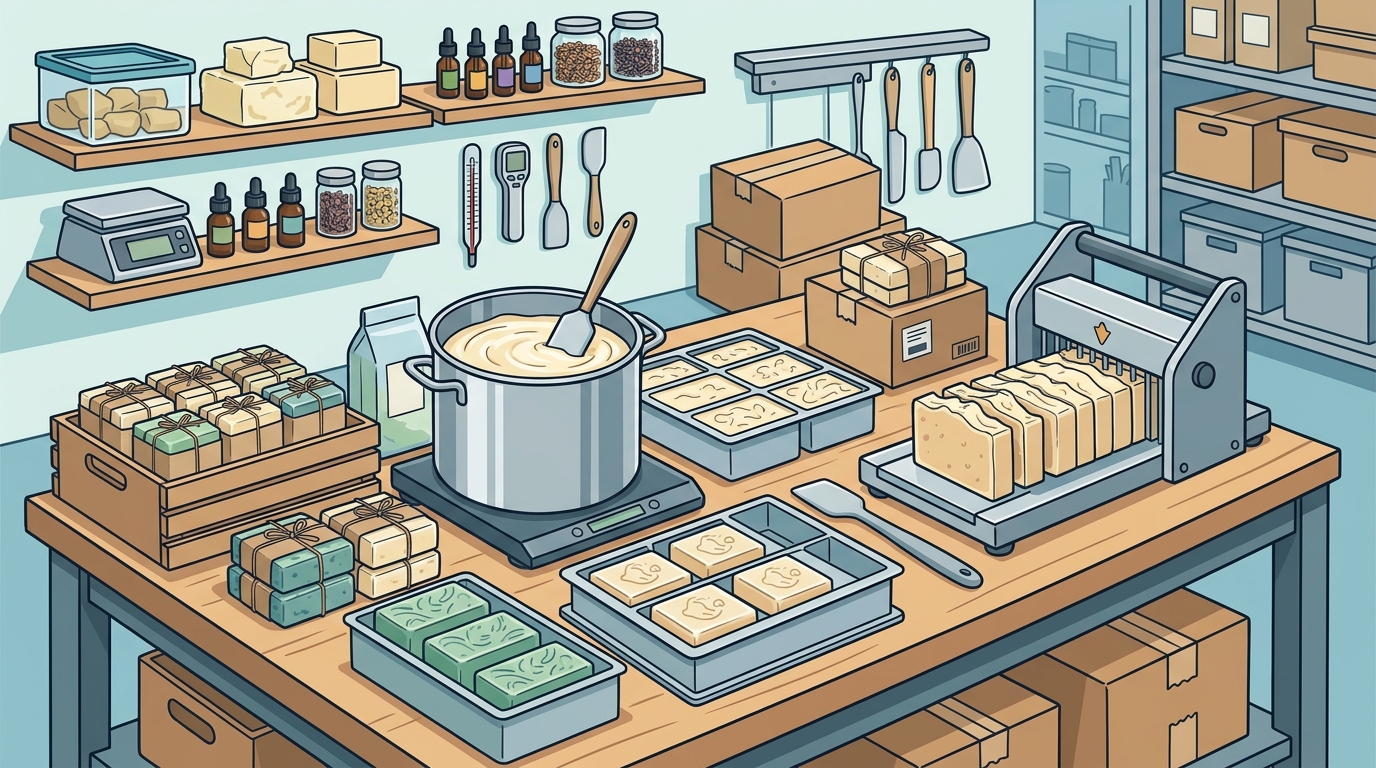
Efficiency is key to scaling your business. Design a production workflow that minimizes waste and maximizes output. Start with a small, dedicated workspace that meets your safety requirements. As demand grows, you may need to expand to a commercial kitchen or rented studio space.
Essential equipment includes:
- Stainless Steel Pots: For melting oils and bases. Avoid aluminum or copper, which can react with lye.
- Immersion Blender: To quickly reach trace, the point where oils and lye emulsify.
- Molds: Silicone or wooden molds that allow for easy removal of the cured soap.
- Scales: Precision digital scales for accurate measurement of ingredients.
Document your recipes meticulously. Small variations in ingredient weight can significantly affect the final product. Use a spreadsheet to track batch numbers, curing times, and ingredient sources. This data is invaluable for troubleshooting and quality control. You can also look into soap making supplies to upgrade your equipment as your business grows.
Pricing and Packaging Strategy
Accurate pricing ensures profitability. Calculate the cost of goods sold (COGS), including ingredients, packaging, labor, and overhead. Add a markup that reflects your brand value and market position. A common formula is to multiply COGS by three or four, depending on your sales channels.
Packaging serves both functional and marketing purposes. It must protect the product during shipping and storage while also attracting customers. Consider the following:
- Eco-Friendly Materials: Use recycled or biodegradable packaging to appeal to environmentally conscious consumers.
- Branding Elements: Include your logo, website, and social media handles on the packaging.
- Informational Labels: List all ingredients, weight, and usage instructions clearly.
Explore eco-friendly dyes and additives to enhance the visual appeal of your products without compromising sustainability. Packaging should be sturdy enough to withstand shipping but attractive enough to stand out on retail shelves. You can also check out eco glitter options for unique decorative elements that set your products apart.
Launch and Market Your Business
Launching your business requires a multi-channel marketing strategy. Start by building an email list of interested customers before your launch date. Use social media platforms like Instagram and Pinterest to showcase your products and share behind-the-scenes content. These platforms are highly visual and ideal for craft businesses.
Consider the following sales channels:
- Online Store: Sell directly through your website or platforms like Etsy.
- Farmers Markets: Gain face-to-face feedback and build local brand recognition.
- Wholesale: Partner with local boutiques and spas to expand your reach.
Offer promotions and discounts to early customers to generate initial sales and reviews. Encourage satisfied customers to leave testimonials and share their experiences online. Word-of-mouth marketing is powerful in the handmade community. You can also explore perfumery resources to create signature scents that become a hallmark of your brand.
Key Takeaways
- Formulation Knowledge: Master the differences between cold process, hot process, and melt-and-pour methods to choose the right path for your business.
- Ingredient Sourcing: Build relationships with reliable suppliers who provide safety data sheets and high-quality raw materials.
- Regulatory Compliance: Adhere to FDA labeling requirements and obtain necessary business licenses and insurance.
- Brand Identity: Develop a unique brand story and visual identity that resonates with your target audience.
- Production Efficiency: Invest in proper equipment and document recipes meticulously for consistent quality.
- Pricing Strategy: Calculate COGS accurately and apply a markup that reflects your brand value and market position.
- Multi-Channel Marketing: Utilize social media, farmers markets, and wholesale partnerships to reach diverse customer segments.
Frequently Asked Questions
What is the difference between cold process and hot process soap?
Cold process soap requires a longer curing time, typically four to six weeks, to allow the saponification process to complete fully. Hot process soap is cooked to accelerate this process, allowing it to be used sooner but with a more rustic texture.
Do I need a license to sell soap?
Yes, you typically need to register your business with your state and obtain a tax ID. Additionally, you must comply with local health department regulations and FDA cosmetic labeling requirements.
How do I price my handmade soap?
Calculate the cost of ingredients, packaging, labor, and overhead. Multiply this total by a markup factor, usually between three and four, to determine the wholesale and retail prices.
What safety equipment is required for soap making?
You must wear gloves, goggles, and long sleeves when handling lye. Ensure your workspace is well-ventilated and keep vinegar nearby to neutralize any lye spills on skin.
Can I use essential oils instead of fragrance oils?
Yes, essential oils can be used, but they may fade or change scent over time. Some essential oils can also accelerate soap batter, requiring careful technique adjustments.
How do I prevent soap from sweating?
Sweating occurs when moisture condenses on the soap surface. Store cured soap in a cool, dry place and ensure proper ventilation during the curing process.
What are the best sales channels for new soap makers?
Online marketplaces like Etsy, local farmers markets, and social media platforms are excellent starting points. As your brand grows, consider wholesale partnerships with local boutiques.
Ready to Launch Your Soap Business?
Starting a soap-making business requires dedication, creativity, and attention to detail. By following these essential steps, you can build a successful brand that resonates with customers. Equip yourself with high-quality supplies and leverage professional resources to streamline your operations. Visit Makesy.com to explore our extensive collection of DIY and craft supplies designed to help makers thrive. Start your journey today and turn your passion into a profitable enterprise.