
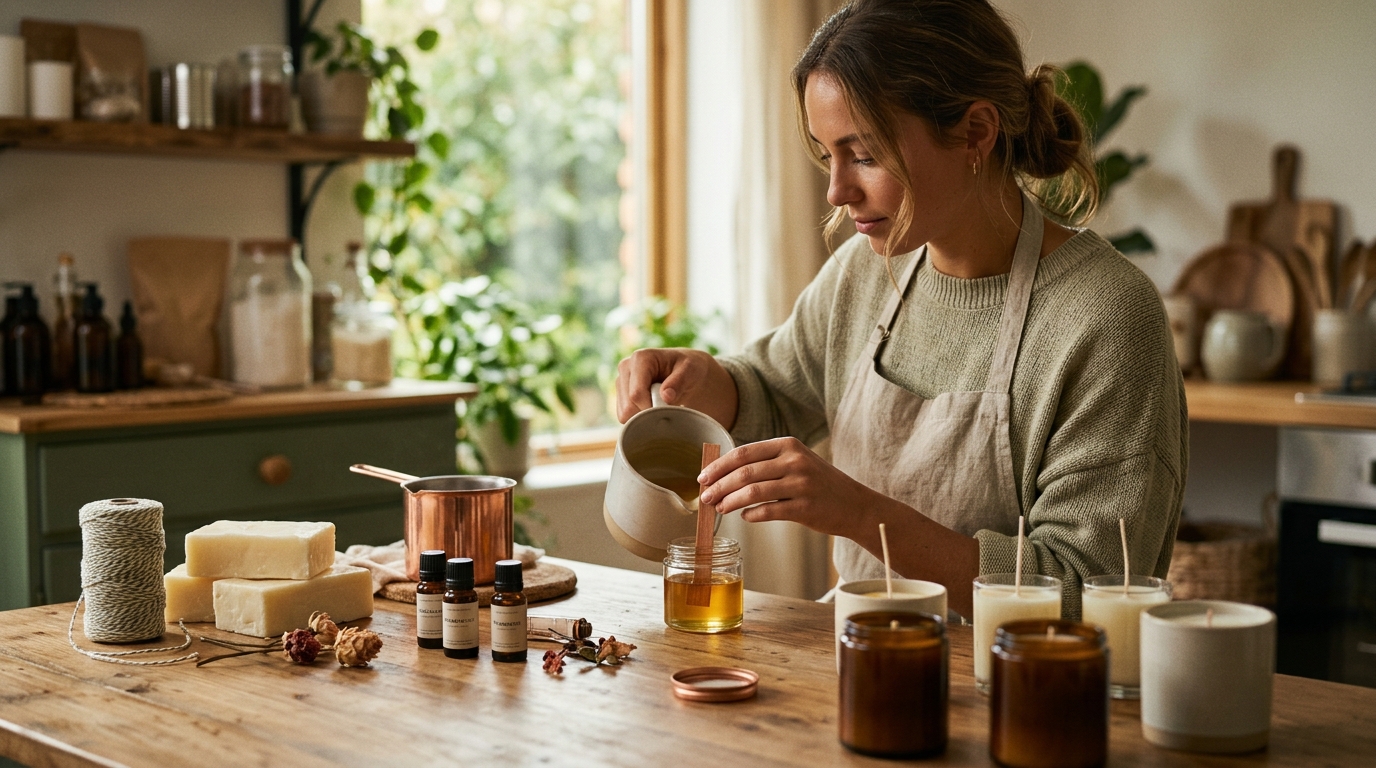
The global market for sustainable home goods is expanding rapidly, with consumers increasingly prioritizing non-toxic and renewable materials in their DIY projects. According to recent industry data, the demand for eco-conscious craft supplies has grown significantly, driven by a desire to reduce household chemical exposure and environmental impact. This shift has created a robust online ecosystem for makers seeking high-quality, responsible ingredients. Finding the right vendor requires understanding the specific nuances of wax types, wick materials, and fragrance sourcing to ensure your final product aligns with green standards. (Makesy shop fragrance oils)
Understanding Eco-Friendly Wax Options
The foundation of any green candle is the wax itself. Traditional paraffin wax is a petroleum byproduct that releases soot and volatile organic compounds when burned. In contrast, plant-based waxes offer a renewable alternative that burns cleaner and longer. Soy wax is a natural, biodegradable wax derived from soybean oil. It is widely regarded as the most accessible eco-friendly option for home makers due to its low melting point and excellent scent throw. (Cart)
Beyond soy, other plant-based options include beeswax and coconut wax. Beeswax is a natural secretion from honeybees that requires no chemical processing. It burns at a higher temperature, making it ideal for pillar candles. Coconut wax, often blended with soy, offers exceptional fragrance retention and a smooth finish. These materials are fully biodegradable, ensuring that any leftover wax or candle remnants do not contribute to landfill waste.
When sourcing these materials, it is crucial to verify the origin of the soy or coconut. Look for vendors who prioritize non-GMO and sustainably farmed crops. This ensures that the agricultural practices used to grow the raw materials do not contribute to deforestation or soil degradation. The quality of the wax directly impacts the burn time and cleanliness of the final candle.
Sustainable Wicks and Fuel Sources
A truly eco-friendly candle extends beyond the wax to include the wick and any additives. Traditional cotton wicks are often treated with chemical stiffeners to maintain their shape during manufacturing. These chemicals can release toxins when burned. Unbleached cotton wicks are untreated fibers that provide a clean burn without chemical residues. For an even more sustainable option, consider wooden wicks. These are made from natural wood strips and offer a crackling sound that enhances the sensory experience of the candle.
Another emerging category is the hemp wick. Hemp is a fast-growing plant that requires minimal water and no pesticides. Wicks made from hemp are biodegradable and burn cleanly. When selecting wicks, ensure they are compatible with your chosen wax type. A mismatch can lead to poor combustion, soot formation, and an uneven burn pool.
For those interested in advanced sustainability, some makers are exploring paper-based wicks or blends of natural fibers. These innovations aim to eliminate all synthetic components from the candle structure. The goal is to create a product that can be composted or safely disposed of after its lifecycle is complete.
Defining Clean Fragrance Standards
Fragrance is the most complex component of candle making when it comes to environmental impact. Many commercial fragrances contain phthalates, synthetic musks, and other chemicals that can linger in the air. Phthalates are chemical compounds used to make plastics more durable, but they are often found in synthetic fragrances and can disrupt hormonal systems. To maintain an eco-friendly standard, makers must choose fragrances that are free from these harmful additives.
Essential oils are the purest form of natural fragrance. Extracted directly from plants, flowers, and spices, they offer therapeutic benefits alongside their scent. However, essential oils can be expensive and may not hold up well in all wax types. For a balanced approach, look for "clean fragrance" oils that are certified free from phthalates and synthetic dyes. These oils often blend natural extracts with safe, synthetic alternatives to achieve consistent scent profiles.
Transparency from the supplier is key. Reputable vendors will provide full ingredient lists and safety data sheets for their fragrance oils. This allows makers to verify the safety and sustainability of the products they are using. Avoid vendors who use vague terms like "fragrance" without disclosing the components.
Comparing Top Online Retailers
Choosing the right supplier is critical for accessing high-quality eco-friendly supplies. The online market is saturated with options, but few match the specialization and commitment to sustainability found in dedicated craft retailers. Below is a comparison of key factors to consider when selecting a vendor.
| Vendor Feature | Specialized Craft Retailers | General Marketplaces | Direct Farm Suppliers |
|---|---|---|---|
| Product Range | Comprehensive DIY kits and bulk supplies | Limited selection, often mixed quality | Raw materials only, no kits |
| Eco-Certifications | Often provide non-GMO and phthalate-free data | Rarely verified | Depends on farm practices |
| Shipping Efficiency | Optimized for heavy wax shipments | Standard logistics, higher carbon footprint | Variable, often local pickup |
| Support Resources | Tutorials, safety guides, and maker communities | Minimal to none | Basic product info |
Specialized retailers like Makesy offer a curated selection of supplies designed specifically for the DIY community. They provide detailed information on each product, including burn times, scent throw, and compatibility with different wicks. This level of detail is essential for makers who want to ensure their candles perform well and remain eco-friendly.
General marketplaces may offer lower prices, but the lack of verification can lead to purchasing subpar or non-eco-friendly products. Direct farm suppliers are excellent for bulk raw materials but may lack the educational resources and customer support that beginners need. A balanced approach often involves using specialized retailers for fragrances and wicks, while sourcing bulk wax from trusted distributors.
Key Takeaways for Sustainable Makers
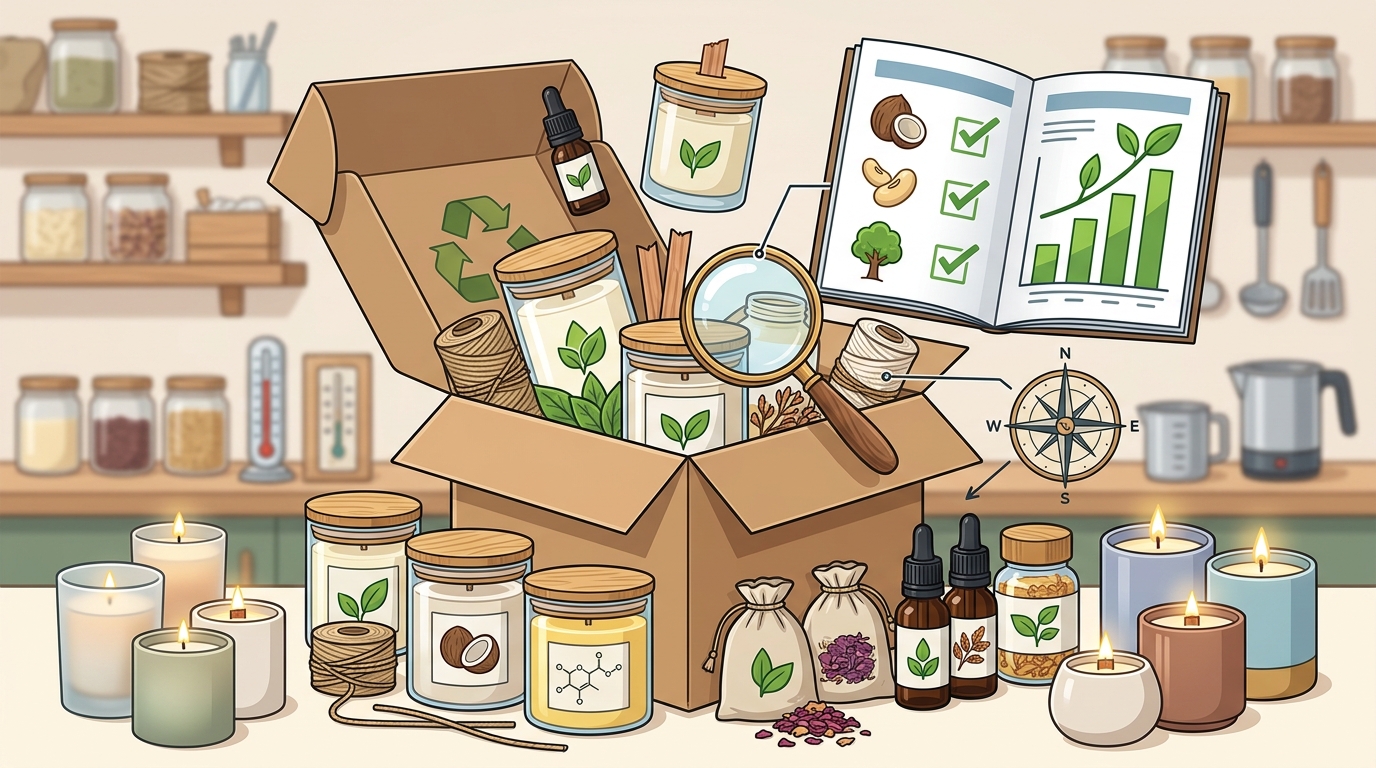
- Wax Selection: Prioritize soy, beeswax, or coconut wax over paraffin to ensure biodegradability and clean burning.
- Wick Safety: Choose unbleached cotton or wooden wicks to avoid chemical stiffeners and synthetic materials.
- Fragrance Clarity: Always verify that fragrance oils are phthalate-free and preferably derived from natural essential oils.
- Vendor Transparency: Select retailers that provide full ingredient disclosures and sustainability certifications.
- Shipping Impact: Consider vendors with optimized shipping practices to reduce the overall carbon footprint of your supplies.
- Educational Resources: Utilize vendors that offer tutorials and safety guides to improve your candle making skills.
- Community Engagement: Join maker communities to share tips on sourcing the most sustainable materials available.
Frequently Asked Questions
What is the most eco-friendly wax for candle making?
Soy wax and beeswax are widely considered the most eco-friendly options. Soy is a renewable crop that is biodegradable, while beeswax is a natural byproduct of beekeeping that requires no chemical processing.
Are wooden wicks better than cotton wicks for the environment?
Wooden wicks are made from natural wood and are biodegradable. However, the sustainability depends on the source of the wood. Unbleached cotton wicks are also a strong eco-friendly choice if they are free from chemical treatments.
How do I know if a fragrance oil is eco-friendly?
Look for fragrances that are explicitly labeled as phthalate-free and synthetic dye-free. Essential oils are the most natural option, but clean fragrance blends can also be eco-friendly if they avoid harmful chemicals.
Can I recycle candle jars?
Yes, glass candle jars can be recycled. However, you must remove any remaining wax and wicks first. Cleaning the jars thoroughly ensures they can be processed by recycling facilities.
Where can I find bulk eco-friendly candle supplies?
Specialized online retailers like Makesy offer bulk options for wax, wicks, and fragrances. These vendors often provide discounts for larger orders and ensure the sustainability of their supply chain.
What is the difference between natural and synthetic fragrances?
Natural fragrances are derived from plants and contain no synthetic chemicals. Synthetic fragrances are created in a lab and may contain phthalates or other additives that are not eco-friendly.
Do I need special equipment to make eco-friendly candles?
You need basic equipment such as a melting pitcher, thermometer, and pouring pot. These tools are standard for all candle making and do not need to be eco-specific, though durable equipment reduces waste over time.
Start Your Sustainable Journey
Creating eco-friendly candles is a rewarding way to reduce your environmental footprint while crafting beautiful home decor. By choosing the right wax, wicks, and fragrances, you can ensure your candles are safe for your home and the planet. Explore the full range of sustainable candle making supplies at Makesy to find the perfect materials for your next project. Our curated collection includes non-GMO soy wax, phthalate-free fragrances, and premium wicks designed for clean burning. Visit our help center for detailed tutorials and safety guides to help you get started. Browse our latest collections to discover new products and seasonal specials. Join the community of makers who are committed to sustainability and quality. Start shopping today and transform your candle making experience with eco-conscious supplies.