
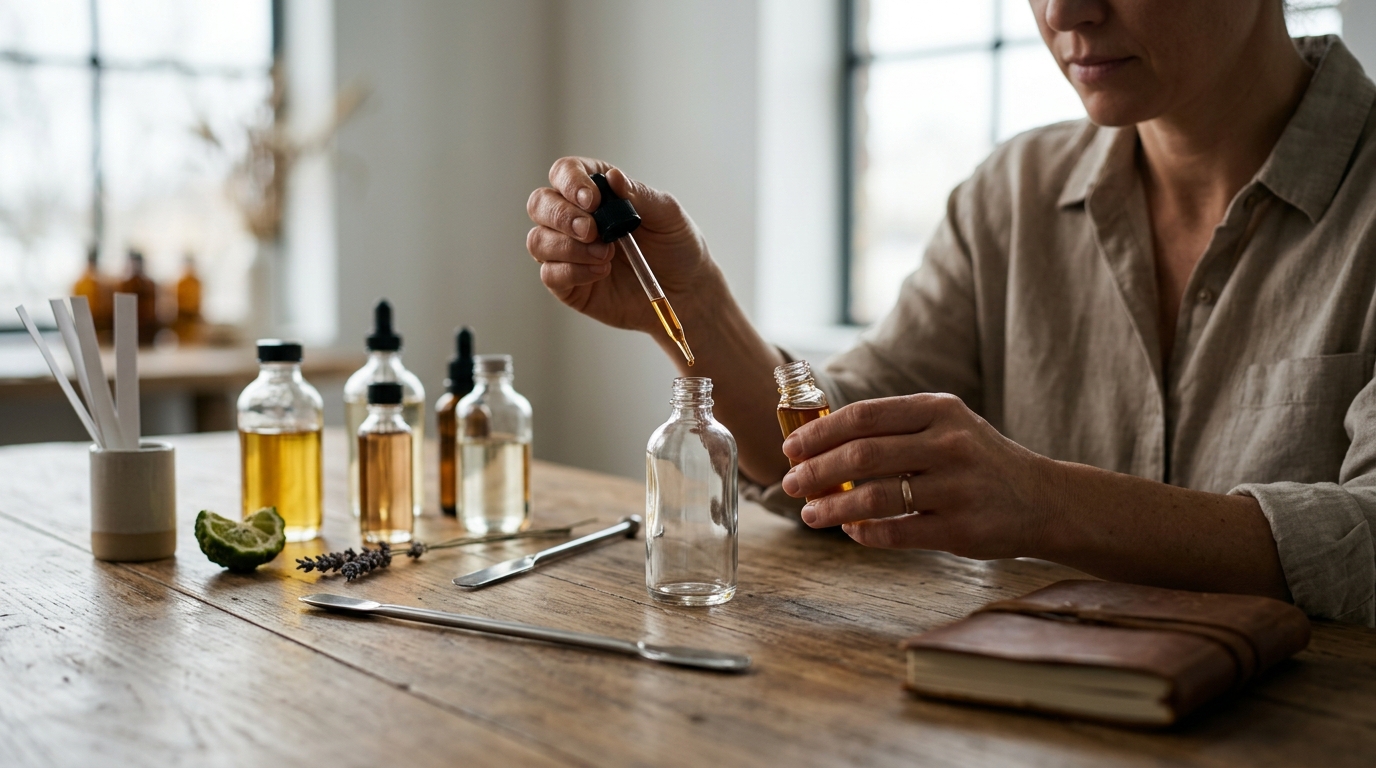
Creating custom fragrance blends allows you to craft unique scents for candles, soaps, and lotions that stand out in a crowded market. According to recent industry data, the global fragrance market is projected to reach significant valuation milestones by 2026, driven largely by the demand for personalized and artisanal products. This growth highlights the importance of mastering the art of scent layering and formulation. By understanding the basic chemistry of top, middle, and base notes, you can design complex olfactory profiles that resonate with your target audience. This guide will walk you through the essential steps to blending like a professional perfumer.
Understanding Fragrance Notes
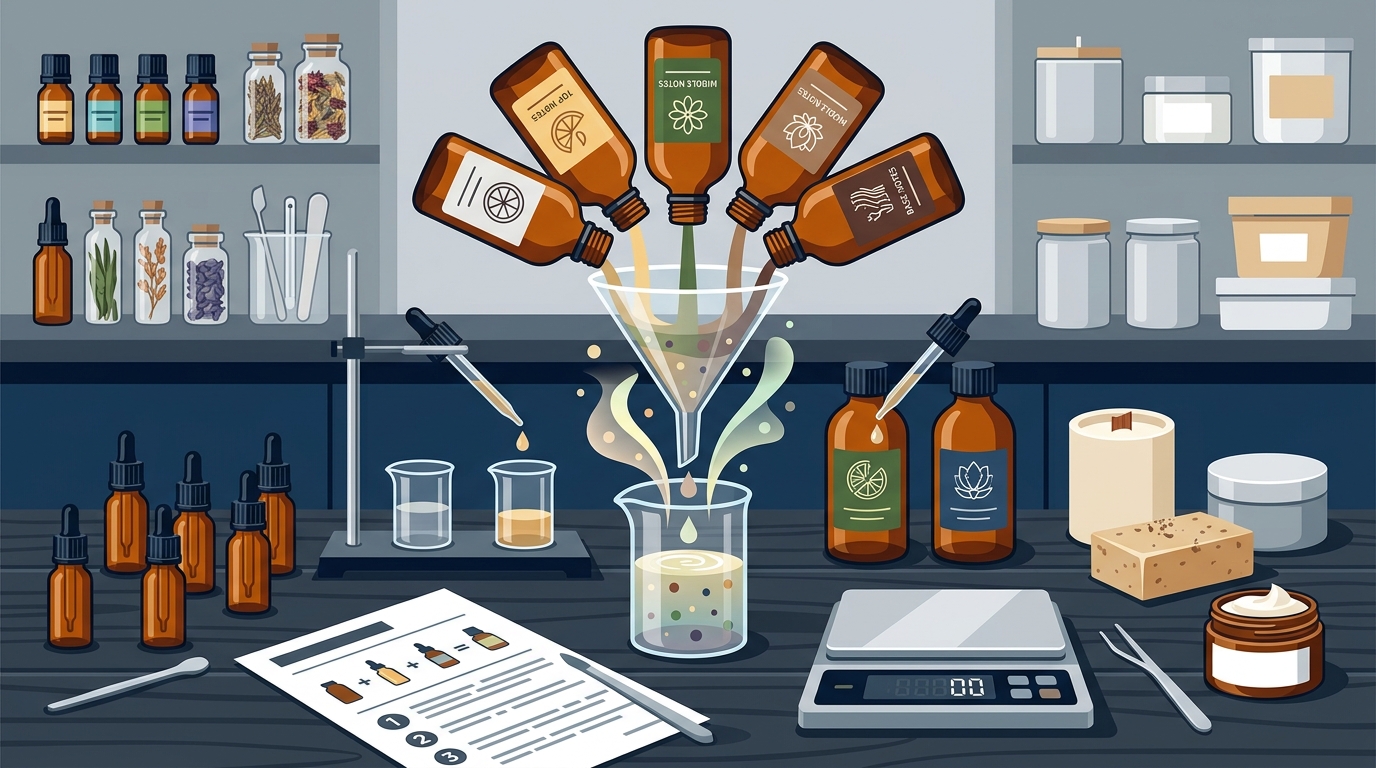
Every fragrance is composed of three distinct layers known as notes. These notes evaporate at different rates, creating a dynamic scent experience over time. Top notes are the first scents you perceive. They are light, fresh, and evaporate quickly. Common examples include citrus oils like lemon and bergamot.
Heart notes, also called middle notes, emerge after the top notes fade. They form the core character of the blend. Floral and spicy scents often dominate this layer. Lavender and rose are classic heart note ingredients.
Base notes provide depth and longevity. They are heavy, rich, and evaporate slowly. These notes anchor the lighter scents and allow the fragrance to last longer on skin or in a room. Vanilla, sandalwood, and musk are typical base notes.
Understanding this pyramid structure is crucial for balance. A blend with too many top notes will disappear quickly. A blend with too many base notes may feel heavy and suffocating. The goal is harmony between all three layers.
Gathering Your Supplies
Before you begin blending, you need the right materials. Quality ingredients make a significant difference in the final product. You will need fragrance oils or essential oils. Fragrance oils are synthetic or semi-synthetic scents designed for specific applications. They offer consistency and a wide variety of scents.
Essential oils are natural extracts from plants. They provide therapeutic benefits but can be more volatile. Both types are available at Makesy for your crafting needs. You should also gather a carrier oil or base for your blends.
For candles, you will need wax such as soy or paraffin. For soaps, you will need lye and oils. For lotions, you will need emulsifying wax and water. Wax selection impacts how well the fragrance holds. High-quality wicks are also essential for proper burn performance in candles.
Other tools include glass beakers, a digital scale, and stirring rods. Precision is key in fragrance creation. Measuring by weight is more accurate than measuring by volume. This ensures repeatable results every time you blend.
The Blending Technique
Start with a simple ratio. A common starting point is 30% top notes, 50% heart notes, and 20% base notes. This ratio provides a balanced scent profile. Write down your formula as you go. This documentation is vital for replicating successful blends.
Mix your base notes first. They are the foundation of the scent. Add your heart notes next. Stir gently to combine. Finally, add your top notes. These are the most volatile, so add them last to preserve their freshness.
Allow the blend to rest. This process is called maceration. It allows the molecules to bond and the scent to mature. Resting time can range from a few days to several weeks. Shipping and lead times for your supplies should be planned around this resting period.
Test the blend in your intended medium. A scent that smells great in a bottle may behave differently in wax or soap. Adjust the ratios based on your test results. Small changes can have large effects on the final outcome.
Testing and Adjusting
Testing is the most critical phase of development. You must evaluate the scent in its final application. For candles, burn the candle and observe the throw. Cold throw refers to the scent when the candle is unlit. Hot throw refers to the scent when burning.
For soaps, check the scent retention after curing. Some fragrances can accelerate trace or cause discoloration. Soap making supplies often include additives to help manage these reactions. For lotions, test for skin sensitivity and stability.
Adjust the blend based on your findings. If the scent is too weak, increase the fragrance load. If it is too strong, dilute it with more base notes. Fragrance oils come in various strengths. Knowing the strength of your specific oils helps you predict performance.
Keep a detailed log of your adjustments. Note the date, the changes made, and the sensory results. Over time, you will develop an intuitive sense for how different oils interact. This experience is invaluable for creating complex, professional-grade blends.
Safety and Standards
Safety is paramount when working with fragrances. Always follow the recommended usage rates provided by the supplier. Exceeding these rates can cause skin irritation or product failure. Candle safety guidelines are essential for preventing fires and ensuring proper combustion.
Use proper ventilation when mixing and testing. Some fragrance components can be potent. Wear gloves and eye protection to avoid accidental contact. Store your oils in a cool, dark place to preserve their integrity.
Understand the difference between IFRA compliance and natural claims. IFRA sets standards for safe usage levels. Essential oils may have different compliance requirements than synthetic fragrances. Always verify the safety data sheet for each ingredient you use.
Label your products accurately. Include all relevant ingredients and warnings. Transparency builds trust with your customers. Body care additives often have specific labeling requirements. Stay informed about regulatory changes in your region.
Key Takeaways
- Fragrance blends consist of top, heart, and base notes that evaporate at different rates.
- Quality supplies from Makesy ensure consistency and performance in your final products.
- Documentation of your formulas is essential for replicating successful blends.
- Testing in the final medium reveals how the scent behaves in candles, soaps, or lotions.
- Safety compliance with IFRA standards protects both you and your customers.
- Macération allows scent molecules to bond, enhancing the overall fragrance profile.
- Proper ventilation and protective gear are necessary when handling concentrated oils.
Frequently Asked Questions
How do I choose the right fragrance load for my candles?
The fragrance load depends on the type of wax you use. Soy wax typically holds between 6% and 10% fragrance. Paraffin wax can hold up to 12%. Always check the manufacturer's recommendations for your specific wax.
Can I mix essential oils and fragrance oils?
Yes, you can mix them to create unique scents. However, be aware that essential oils may fade faster than synthetic fragrance oils. Test your blend thoroughly to ensure stability in your final product.
Why does my candle have no scent throw?
Several factors can cause poor scent throw. These include incorrect fragrance load, improper wax temperature during pouring, or using the wrong wick size. Wick selection is critical for proper burn and scent release.
How long should I let my fragrance blend rest?
Resting time varies by blend. A minimum of 24 hours is recommended. For complex blends, resting for a week or more can improve the scent profile significantly.
Are fragrance oils safe for skin contact?
Not all fragrance oils are safe for skin contact. Always check the IFRA certificate for each oil. Use only those labeled as safe for cosmetics in lotions and soaps.
What is the difference between cold throw and hot throw?
Cold throw is the scent intensity when the product is unlit or unused. Hot throw is the scent released when the product is in use, such as a burning candle. Both are important for customer satisfaction.
How do I store my custom fragrance blends?
Store your blends in airtight glass containers away from direct sunlight and heat. This preserves the scent integrity and prevents oxidation. Eco glitter and other additives should also be stored properly to maintain their quality.
Start Your Blending Journey
Creating custom fragrance blends is a rewarding skill that sets your homemade products apart. By mastering the art of note layering and rigorous testing, you can develop scents that captivate your audience. Explore our full range of supplies to find everything you need to start blending today. Visit our checkout page to secure your materials and begin your creative journey.