

Container Candles: The Versatile Standard
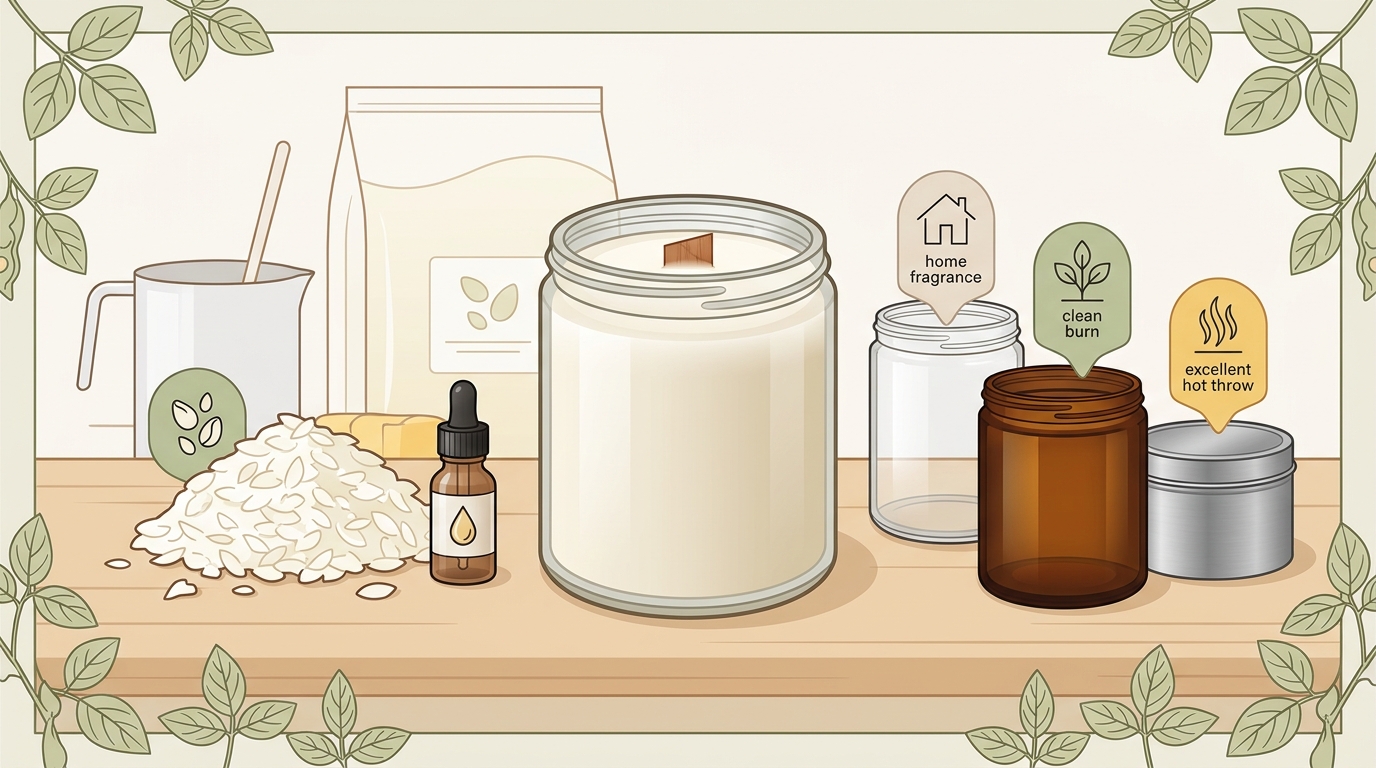
Container candles are the most popular style for home fragrance, typically poured into glass jars or metal tins. For this style, soy wax is among the most widely used base due to its clean burn and excellent hot throw. Soy wax is a natural wax derived from soybean oil, known for its creamy white appearance and smooth texture. It works exceptionally well with fragrance oils, releasing scent effectively once the candle is lit. If you are aiming for a modern, minimalist aesthetic, soy wax provides a clean, matte finish that complements simple glass containers. Makers often choose soy wax for its versatility, as it can be poured into almost any container size or shape without significant issues. For additional details, review the Customer Experience.
Pillar Candles: Structure and Stability
Votive and Tealight Candles: Precision and Aesthetics
Votive and tealight candles are small, often decorative, and frequently used in clusters or holders. These styles require a wax that can be poured into small molds and release cleanly. Paraffin wax is often preferred for votives because it allows for intricate mold details and a smooth, glossy finish. The high clarity of paraffin makes it ideal for creating decorative shapes, such as flowers or geometric forms. However, if you are using a silicone mold, you must ensure the wax has a low shrinkage rate to prevent sticking. Soy wax can be used for votives, but it may not release as easily from complex molds as paraffin. Makers often experiment with different paraffin blends to find the right balance between hardness and release. For additional details, review the Frequently Asked Questions.
Waxing and Dipping: Traditional Techniques
Waxing and dipping are traditional candle-making techniques that involve coating a wick in hot wax to build up layers. These methods require a wax with specific viscosity and cooling properties. Paraffin wax is the standard for dipping because it cools quickly and hardens into a smooth, even layer. The rapid cooling of paraffin allows makers to build up multiple layers efficiently, creating uniform, professional-looking candles. Beeswax is also used in dipping, particularly for traditional church candles or artisanal products. The natural hardness of beeswax provides a durable finish, though it may require more layers to achieve the same thickness as paraffin. Makers using these techniques should pay close attention to the wax's melting point to ensure consistent results. For additional details, review the About.
Matching Wax to Your Brand Identity
Key Takeaways
- Container Candles: Soy wax is the top choice for its clean burn and excellent scent throw.
- Votive Candles: Paraffin is preferred for its glossy finish and ease of release from molds.
- Dipping Techniques: Paraffin and beeswax are ideal for traditional waxing and dipping methods.
- Brand Alignment: Choose waxes that reflect your brand's values, such as sustainability or luxury.
- Testing is Essential: Always test your wax in small batches to ensure it meets your performance and aesthetic goals.
Frequently Asked Questions
What is the best wax for container candles?
Soy wax is generally considered the best for container candles due to its clean burn, creamy texture, and excellent hot throw. It works well with most fragrance oils and provides a smooth, matte finish that suits modern glass containers.
Can I use soy wax for pillar candles?
While soy wax can be used for small pillars, it is softer than paraffin and may not hold its shape as well in larger free-standing designs. Paraffin or beeswax are typically better suited for large pillars due to their higher hardness and structural stability.
What wax is best for dipping candles?
Paraffin wax is among the standard for dipping because it cools quickly and hardens into a smooth, even layer. Beeswax is also a popular choice for traditional dipping, offering a natural, durable finish.
Is paraffin wax bad for the environment?
Paraffin wax is derived from petroleum, which has raised environmental concerns. However, it is still widely used for its performance benefits. Makers seeking eco-friendly alternatives often choose soy or beeswax, which are renewable and biodegradable.
How do I choose a wax that matches my brand?
Consider your target audience's values. If sustainability is a priority, choose natural waxes like soy or beeswax. If performance and luxury are key, paraffin may be a better fit. Always ensure your wax choice aligns with your brand story and product positioning.