

The global candle market is experiencing a significant surge in demand, driven by consumers seeking home wellness and artisanal aesthetics. According to recent industry analysis, the market is projected to grow at a compound annual growth rate of over 4% through 2030. This expansion creates a viable pathway for hobbyists to transition into professional entrepreneurs. However, success requires more than just pouring wax; it demands strategic sourcing, regulatory compliance, and robust operational infrastructure. This guide outlines the critical steps to professionalize your craft and build a sustainable brand. (Candles United States)
Sourcing Premium Supplies and Ingredients
The foundation of any successful candle business lies in the quality of raw materials. Hobbyists often begin with basic wax and generic wicks, but professional brands require consistency and performance. Functional fragrances are defined as scents engineered to provide specific mood-enhancing or therapeutic benefits beyond simple aroma. Selecting the right fragrance oil concentration is critical for achieving a strong cold throw and hot throw.
Reliable suppliers are essential for maintaining inventory stability. Platforms like Makesy provide access to a vast catalog of candle supplies, including soy wax, paraffin blends, and specialized wicks. Access to bulk candle making supplies allows businesses to reduce per-unit costs significantly. When scaling, you must evaluate suppliers based on shipping reliability, product consistency, and customer support responsiveness.
Another critical component is the wick. The wrong wick size can lead to tunneling or sooting, which damages brand reputation. Understanding wick selection is vital for ensuring a clean burn. Many professional makers use testing protocols to match wick diameter to wax type and fragrance load. Investing in high-quality cotton wicks ensures a steady flame and maximizes the release of scent into the room.
Navigating Safety Regulations and Compliance
Transitioning from a hobby to a business introduces legal and safety responsibilities. Candle making involves handling flammable materials and chemicals, making safety compliance non-negotiable. Candle safety refers to the set of standards and practices designed to prevent fire hazards and ensure consumer protection during product use. Ignoring these regulations can lead to severe liability issues and brand destruction.
Key compliance areas include proper labeling, hazard communication, and insurance. Labels must clearly display burn instructions, warning statements, and ingredient lists. According to consumer safety data, improper labeling is a leading cause of product liability claims in the artisanal goods sector. You must also secure product liability insurance to protect your assets against potential claims of injury or property damage.
Understanding candle safety standards helps you design products that meet industry expectations. This includes testing burn times, melt pool diameters, and container integrity. Many successful brands publish their testing results to build trust with discerning customers. Regularly reviewing safety guidelines ensures your business remains compliant with evolving regulations. (Candles United States)
Developing a Distinct Brand Identity
In a saturated market, branding is your primary differentiator. Consumers do not just buy candles; they buy an experience, a scent memory, and an aesthetic. Your brand story should resonate with your target audience, whether that is luxury seekers, eco-conscious buyers, or gift purchasers. Brand identity is the collection of visual and verbal elements that distinguish your business from competitors.
Visual consistency is crucial. Your packaging, labels, and website design should reflect the same tone and quality. Consider the unboxing experience as a marketing tool. High-quality packaging reduces shipping damage and enhances perceived value. Many makers use custom fragrance development to create unique scent profiles that cannot be found elsewhere, giving them a competitive edge.
Marketing your brand requires a multi-channel approach. Social media platforms like Instagram and Pinterest are powerful tools for visual storytelling. Content should highlight the making process, behind-the-scenes glimpses, and customer testimonials. Engaging with your community builds loyalty and drives organic growth. Utilizing eco-friendly dyes can also appeal to environmentally conscious consumers, aligning your brand with sustainability values.
Structuring Profitable Pricing Models
Pricing is often the most challenging aspect for new candle business owners. Underpricing leads to burnout, while overpricing can stifle growth. A robust pricing model must account for direct costs, labor, overhead, and desired profit margins. Cost of goods sold (COGS) includes the wax, fragrance, wick, container, and packaging materials directly used in each unit.
Calculate your labor time accurately. Many makers undervalue their time, leading to unsustainable business practices. Include a markup for shipping and handling, especially if you offer free shipping thresholds. For example, offering free domestic shipping on orders over $199 can encourage higher average order values. This strategy reduces your per-unit shipping cost impact while incentivizing bulk purchases.
Consider tiered pricing structures for different product lines. Luxury collections can command higher prices due to premium ingredients and intricate designs. Entry-level products can serve as loss leaders to attract new customers. Regularly review your pricing against competitors and adjust for inflation or supply chain fluctuations. Monitoring fragrance oil prices is essential as they can fluctuate based on raw material availability.
Scaling Production and Logistics
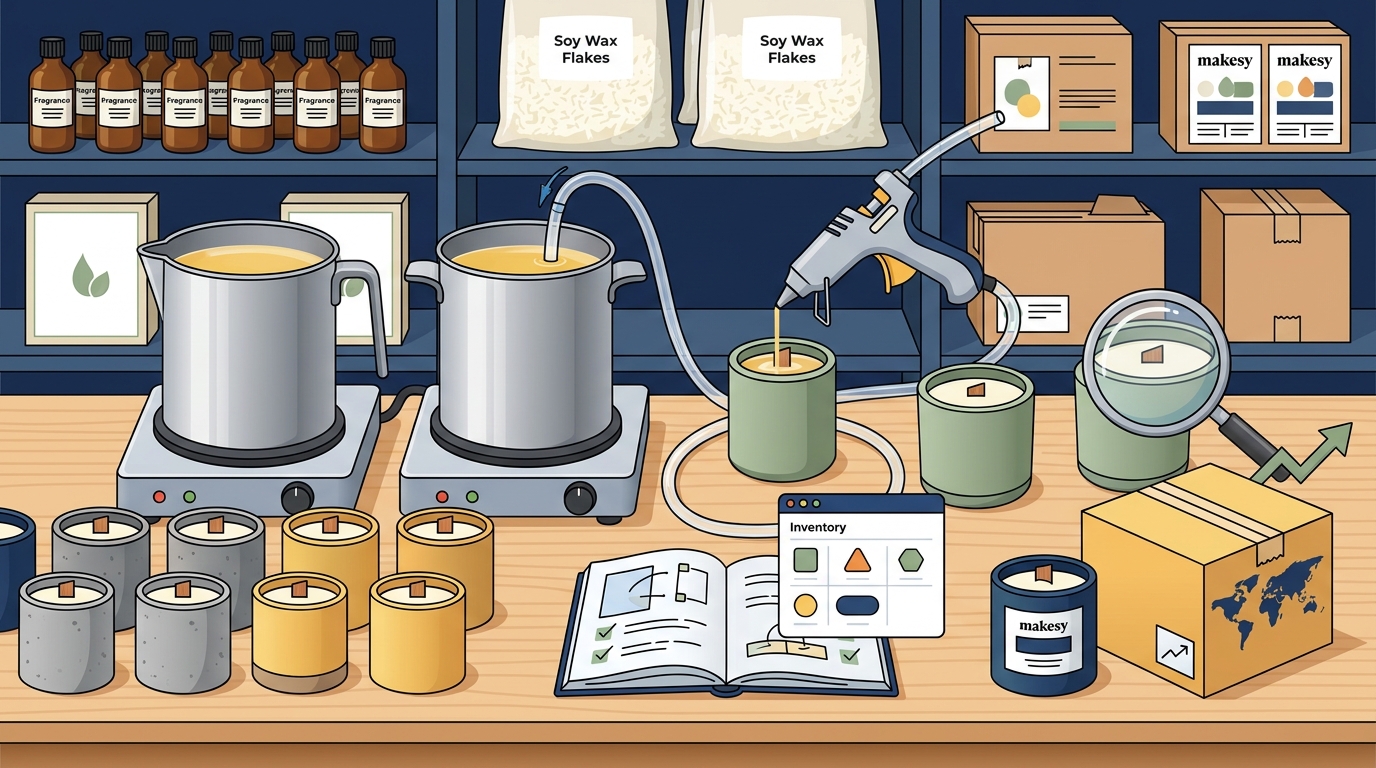
As demand grows, manual production methods become bottlenecks. Scaling requires efficient workflows, reliable suppliers, and robust logistics. Production scaling is the process of increasing output capacity while maintaining quality and consistency. This often involves investing in larger melting pots, temperature-controlled environments, and automated labeling systems.
Logistics play a critical role in customer satisfaction. Fast and reliable shipping is a key expectation for online shoppers. Partnerships with shipping providers can offer discounts and better tracking capabilities. Makesy’s partnership with Ocean provides expedited shipping options for active customers, ensuring faster delivery times. This capability can be a significant competitive advantage in the e-commerce space.
Inventory management is another scaling challenge. You must balance stock levels to avoid shortages or excess waste. Using inventory management software can help track raw materials and finished goods. Regularly auditing your wax inventory ensures you have sufficient stock for production runs. Building relationships with multiple suppliers can mitigate risks associated with supply chain disruptions.
Key Takeaways
- Quality Sourcing: Use premium fragrance oils and wicks to ensure product performance and customer satisfaction.
- Compliance First: Adhere to all safety regulations and secure product liability insurance to protect your business.
- Brand Storytelling: Develop a unique brand identity that resonates with your target audience through consistent visual and verbal messaging.
- Accurate Pricing: Calculate all costs including labor and overhead to ensure sustainable profit margins.
- Efficient Logistics: Leverage shipping partnerships to offer fast, reliable delivery and enhance customer experience.
- Inventory Management: Use software to track stock levels and prevent production bottlenecks.
- Community Engagement: Build loyalty through social media and exceptional customer service.
Frequently Asked Questions
What are the initial costs to start a candle business?
Initial costs vary based on scale but typically include equipment, raw materials, packaging, and licensing. Starting with a small batch can keep costs manageable while you test the market.
Do I need a license to sell candles?
Yes, most jurisdictions require a business license and possibly a home occupation permit. Check local regulations for specific requirements regarding fire safety and sales tax collection.
How do I choose the right wax for my brand?
Consider the scent throw, burn time, and sustainability goals. Soy wax is popular for its natural profile, while paraffin offers a strong scent throw. Test different options to find the best fit.
What is the average profit margin for handmade candles?
Profit margins can range from 50% to 70% if managed efficiently. Factors like bulk purchasing, labor optimization, and pricing strategy significantly impact final margins.
How can I ensure my candles burn evenly?
Proper wick sizing and fragrance load are critical. Conduct burn tests to determine the optimal wick for each wax and container combination. Regularly review safety guidelines to maintain quality.
What packaging options are best for shipping?
Use sturdy boxes with adequate padding to prevent damage. Eco-friendly packaging materials can enhance your brand image and appeal to conscious consumers.
How do I market my candles effectively?
Utilize social media, influencer partnerships, and email marketing. Highlight your brand story and product benefits to connect with potential customers.
Can I sell candles internationally?
Yes, but you must navigate customs regulations and shipping restrictions. Some fragrance oils may have international shipping limitations due to flammability.
Start Your Business Journey
Transitioning your candle hobby into a thriving business requires dedication, strategic planning, and access to the right resources. By focusing on quality, compliance, and brand identity, you can build a loyal customer base and achieve long-term success. Explore our comprehensive range of candle making supplies to find everything you need to launch your brand. Visit Makesy.com today to start sourcing premium materials and take the first step toward your entrepreneurial dream.